Meals for elderly nutrition Large-print labels Ready in minutes Single or two-person meals Weekly delivery
Elderly nutrition made easier

Nutrition mattersmore as weget older.

But it can also get harder. Smaller appetites, shopping trips, cooking, digestion, illness, tiredness and food worries can all get in the way. Wholesome Meals makes familiar food more nourishing, without making mealtimes feel clinical.

Protein considered Calcium-aware Fibre + plants
NHS, BDA, BHF + NIA guidance After 65, healthy eating has to work harder. Later-life meals need to support muscles, bones, appetite, digestion, heart-aware eating and brain-friendly habits — while still being easy to eat.
Malnutrition risk 1 in 10

people over 65 are estimated to be malnourished or at risk of malnutrition in the UK.

How Wholesome Meals helps We build the nutrition into normal meals.

Familiar ready meals for 65+, with protein, calcium-aware choices, fibre, plants, heart-aware balance and brain-friendly ingredients worked into the week.

Delivered weekly. Ready in minutes. Microwave easy.
The later-life food problem

Food gets more important. And often more awkward.

Later-life nutrition is not about chasing trends. It is about the basics becoming harder to ignore: muscle, bones, digestion, immune support, energy, appetite and eating enough good food across the week.

Older adults should not have to become nutrition experts just to have a decent dinner. Wholesome Meals makes better eating easier.

Worry
“I’m eating less than I used to.” Smaller portions mean each meal needs to carry more useful nutrition, without feeling heavy or unfamiliar.
Worry
“I don’t want to feel weaker.” Protein, energy and regular meals matter for strength, recovery and everyday independence.
Worry
“Bones, balance and winter bugs worry me.” Food cannot prevent every problem, but better eating supports the body older people rely on.
Worry
“Cooking is becoming a daily stress.” A stocked fridge gives older adults and families one less thing to plan, chase or worry about.
Worry
“Food shopping is taking more effort than it used to.” Heavy bags, busy aisles, bad weather, driving, shopping lists and missing ingredients can turn a simple shop into a tiring weekly job.
Worry
“Family are stepping in more often.” When the fridge is not properly covered, someone often ends up checking in, chasing shopping, dropping meals round or fixing dinner late in the day.
What we care about

The everyday nutrition that matters after 65.

Not one magic ingredient. Not a strict meal plan. Just the practical things that make a weekly menu more useful for ageing well.

Balance

A proper balanced plate

Meals should feel like dinner, not a nutrition worksheet. We look for balance across protein, plants, fibre-rich carbohydrates, fats, flavour and portion satisfaction.

  • Familiar main meals
  • Useful sides, not empty extras
  • Real food people recognise
Protein

Protein for fullness and strength

Protein becomes especially important in later life because it helps with muscle maintenance and everyday function. We make it easier to choose protein across the week.

  • Chicken, fish, beans, lentils and dairy where useful
  • Protein-rich meals clearly labelled
  • Comfort food with better structure
Bones

Calcium-aware, bone-aware meals

Bones need calcium, vitamin D and protein. Meals cannot do everything, but a better weekly menu can make calcium-aware choices easier to spot.

  • Dairy or fortified alternatives where they fit
  • Greens, fish and pulses used practically
  • No hard-to-follow diet rules
Gut

Fibre, plants and digestion

Fibre supports digestion and comes from plant foods. We use vegetables, beans, lentils, grains, herbs and spices to build more variety into familiar meals.

  • Vegetables worked into the meal
  • Beans, lentils and pulses where they make sense
  • Wholegrains and herbs for extra plant points
Immune support

More of the useful nutrients

No food can stop colds or flu. But a varied, balanced diet helps the body get the nutrients it needs to work properly, including nutrients linked with immune function.

  • Colourful vegetables
  • Protein and omega-3-style choices
  • Vitamins and minerals from real food
Heart + brain

Heart-aware and MIND-inspired

We use DASH-style and MIND-inspired ideas carefully: more plants, better balance, sensible salt, greens, beans, fish and grains where they fit.

  • Flavour without relying on extra salt
  • MIND-inspired ingredients, no cure claims
  • Small habits repeated across the week
How this becomes dinner

British favourites. Better nutrition underneath.

The point is not to make older adults eat food they do not recognise. The point is to make the food they already like work harder.

A casserole can carry protein, vegetables and herbs. A cottage pie can carry lentils and fibre. A salmon meal can bring omega-3-style benefits, greens and a proper filling plate.

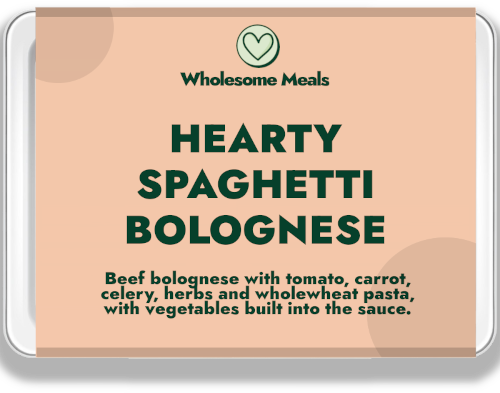
Spaghetti Bolognese & Veg Hidden veg • Filling • Familiar favourite
+
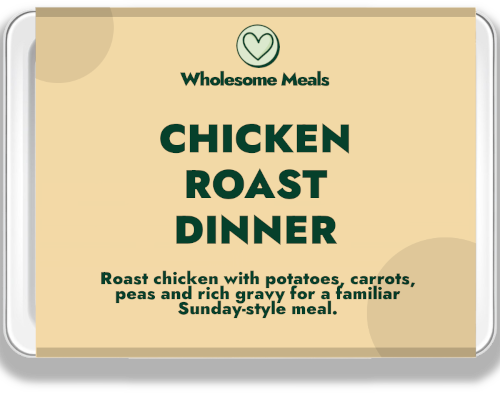
Chicken Roast Dinner Protein • Low-salt gravy • Sunday-style classic
+
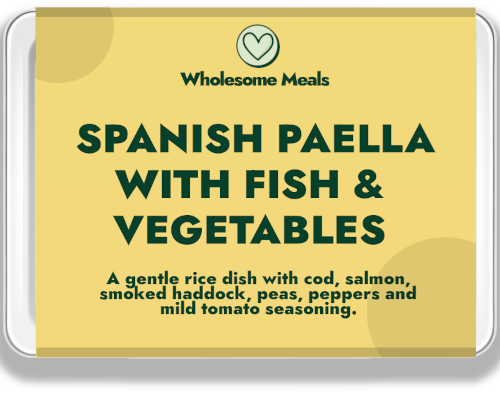
Fish Paella & Veg Cod & salmon • Omega-3 • Mediterranean-style
+
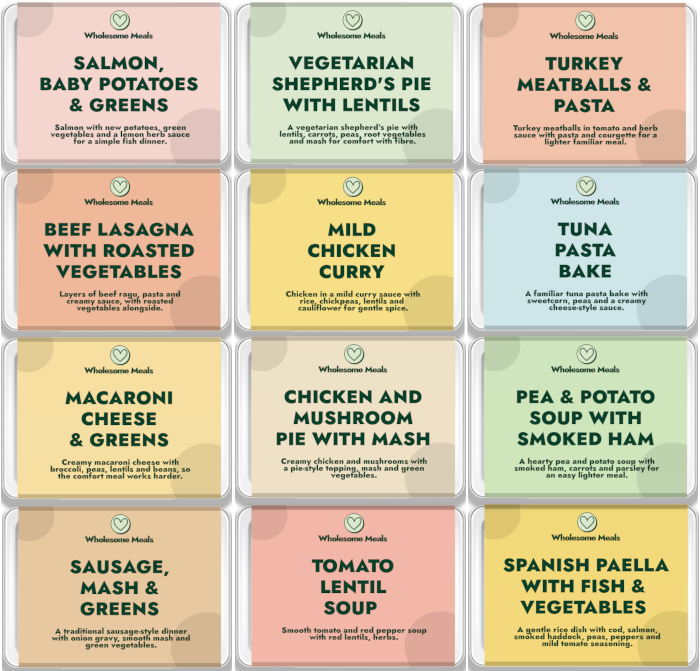
Weekly Box Choose meals • Repeat favourites • Pause anytime
The nutrition patterns behind the menu

Mediterranean base. DASH balance. MIND focus.

These are not trends to make the food sound clever. They are useful patterns for healthier ageing, heart-aware eating and brain-friendly habits.

Healthy ageing base

Mediterranean-style

Known for

One of the best-known food patterns for healthier ageing, heart health and longevity-style eating.

What it means

More colourful meals, better fats, fish, whole foods, vegetables, pulses, herbs and grains.

How we use it

Comforting meals with better sides, better flavour and more natural variety across the week.

Heart-aware balance

DASH balance

Known for

A blood-pressure-aware eating pattern that focuses on salt reduction and more useful nutrients.

What it means

More fibre, potassium-rich foods, calcium-aware choices, wholegrains and less salt dependence.

How we use it

Flavour from cooking, vegetables, herbs, acidity and proper sauces, not just extra salt.

Brain-friendly habits

MIND-inspired

Known for

A pattern that combines Mediterranean and DASH ideas with a focus on brain-friendly food habits.

What it means

Leafy greens, vegetables, berries, wholegrains, fish, nuts, olive oil-style fats and beans.

How we use it

Repeated small habits across a weekly box, with no dementia prevention, treatment or cure claims.

The result is not strict diet food.

It is familiar meals made more nourishing: fish pie-style meals with greens, cottage pie-style meals with vegetables worked in, salmon meals with proper sides, egg-based breakfasts, lean meat casseroles and vegetarian stews with real substance.

Gut health and immunity

A better-fed gut can help the body feel less run down.

Gut health is not just about digestion. The gut microbiome and immune system are closely connected, and diet can influence the microbiome. That means support, not a promise to stop colds.

30 plants we try to build into the week.

You should not have to count every herb, grain or vegetable. The box should do more of that thinking for you.

Digestion

Fibre helps keep digestion moving, which matters when constipation becomes more common in later life.

Immunity

A varied, better-fed gut supports the gut microbiome, which plays an important role in immune function.

Variety

Different plant foods bring different fibres, colours and micronutrients across the week.

Less beige

More colour makes the fridge feel more nourishing without turning meals into unfamiliar health food.

The weekly difference

A better week, not a perfect diet.

The real benefit is consistency. A box of familiar nourishing meals helps the fridge become less random and gives older people a better rhythm without tracking nutrients.

The fridge does more of the work.

Instead of relying on whatever is easy that day, Wholesome Meals gives the week a better base: protein, energy, fibre, colour, heart-aware choices and meals that feel worth eating.

Daily A proper protein meal. To support muscle maintenance, fullness and recovery.
Across the box More nutrients and fibre. To support digestion, gut health and meal variety.
Built in Bone-aware choices. Calcium-aware foods, protein and vitamin D awareness.
Repeated Heart and brain-friendly habits. Better food patterns made easier through normal meals.
References

The thinking behind the meals.

The message stays simple, but the ideas come from public health guidance, dietetic guidance and published nutrition research.

Nutrition matters. Weekly meals made around better ageing.

Build a weekly box of familiar ready meals for 65+, made with better balance, useful nutrition and simple heating at home.